

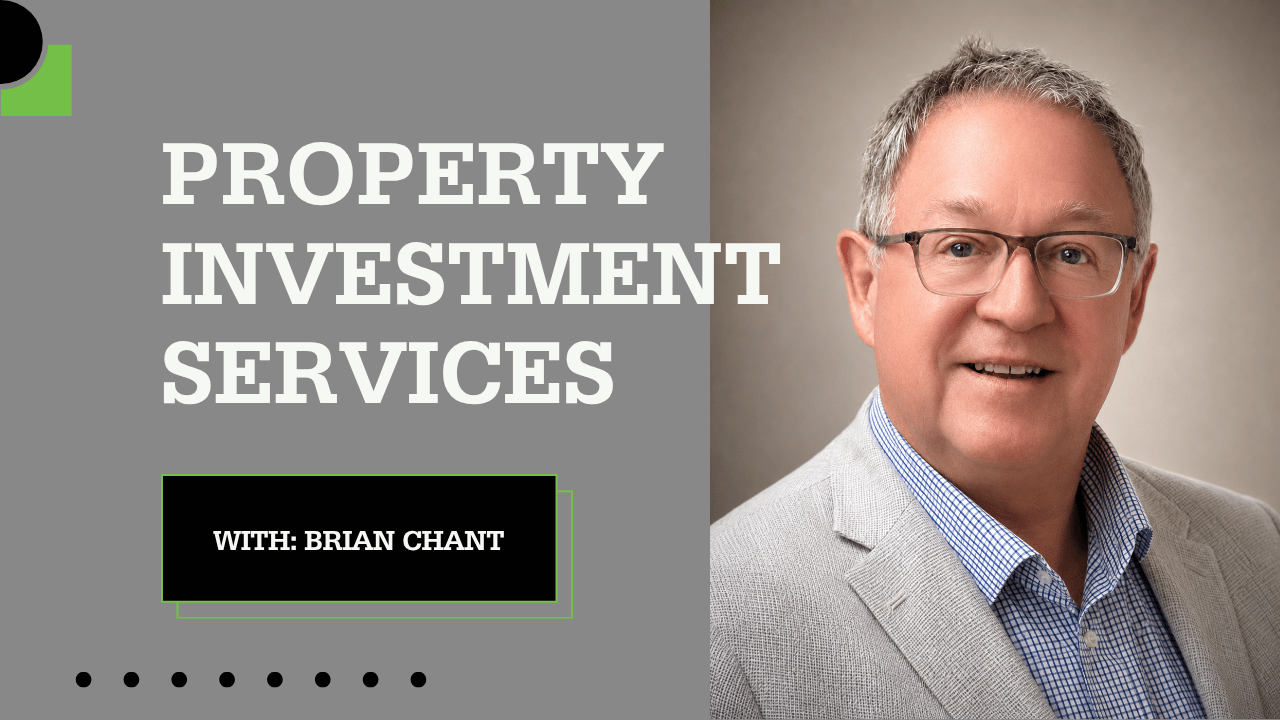
Property Investment Services Adelaide
Property Investment Services Adelaide
Successful property investment is not about chasing a quick tax deduction or buying the first property that looks affordable. It starts with a clear plan: what you want to achieve, how much risk and debt you can comfortably manage, and whether the property can perform through changing interest-rate, rental and tax conditions.
Property Asset Planning provides property investment services in Adelaide for people who want practical support from initial strategy through property selection and ongoing management. With 26 years of experience, we help South Australians make informed decisions designed around their financial position, lifestyle and long-term goals.
A Personal Adelaide Property Investment Strategy
Every investor begins in a different position. Some are purchasing their first investment property in Adelaide, while others want to expand an existing portfolio, improve cash flow or prepare for retirement. A useful strategy should reflect your borrowing capacity, expected holding period, household budget and tolerance for vacancies, repairs and interest-rate changes.
Our planning process considers:
- your short-, medium- and long-term financial goals
- borrowing capacity, cash reserves and an appropriate financial buffer
- rental demand, vacancy risk and realistic property-management costs
- location fundamentals and the potential for long-term capital growth
- ownership structure, land tax and taxation questions to discuss with qualified advisers
- a clear plan for reviewing performance after purchase
The aim is to find an investment that fits your strategy, rather than changing your strategy to justify a particular property.
Choosing an Investment Property in Adelaide
Adelaide is not one single property market. Rental demand, tenant profiles, infrastructure, supply and future development can vary considerably between suburbs and property types. Careful research matters more than broad claims that one area is always the best place to invest.
When assessing an investment property in Adelaide, we examine local demand, comparable rents, likely ongoing costs, building quality, transport and employment access, available land supply and the property’s appeal to the intended tenant market. We also test the numbers using conservative assumptions so that the plan is not dependent on uninterrupted capital growth or perfect occupancy.
Turnkey Property Investment Support
For investors who prefer a coordinated process, a turnkey solution can reduce the time and uncertainty involved in sourcing, building, leasing and managing a property. The important point is that ‘turnkey’ should not mean ‘set and forget’. The contract, inclusions, construction timeframes, rental assumptions, finance conditions and independent inspections still require careful review.
Property Asset Planning can assist with strategy, suitable property options, the purchase or build process, tenant-readiness and ongoing property management. Investors should still obtain independent legal, finance, building, taxation and financial advice where appropriate.
Property Investment Tax Rules to Consider in 2026
Tax can affect an investment’s after-tax cash flow, but it should support a sound investment decision rather than be the sole reason for buying. Tax outcomes depend on the investor, the ownership structure, how borrowed money is used and whether the property is rented or genuinely available for rent.
Rental income and deductions
All rental and rental-related income must generally be declared. Depending on the circumstances, legitimate deductions may include interest on money borrowed for the income-producing property, property-management fees, council rates, insurance, eligible repairs and maintenance, land tax and certain borrowing expenses. Loan principal repayments are not deductible, and mixed-purpose loans must be apportioned.
Repairs, improvements and depreciation
A repair to damage arising while the property is rented may be immediately deductible, but initial repairs, renovations, improvements and replacement of an entire asset are generally treated differently. Capital works and eligible depreciating assets may be claimed over time. Restrictions continue to apply to deductions for certain second-hand depreciating assets in residential rental properties.
Travel and vacant land
Most individual investors cannot claim travel costs for inspecting or maintaining a residential rental property. Deductions for the costs of holding vacant land are also restricted unless an exception applies. This is particularly important when considering land-and-build investments with a lengthy construction period.
New 2026-27 income-tax rates
From 1 July 2026, the lowest resident individual income-tax rate applying above the tax-free threshold and up to $45,000 is 15%, down from 16%. Other resident marginal rates remain 30%, 37% and 45% across their legislated income bands. Because deductions reduce taxable income rather than tax dollar-for-dollar, the benefit of a deduction depends on the investor’s marginal rate and circumstances.
South Australian land tax for 2026-27
For the 2026-27 financial year, South Australia’s general land-tax threshold is $936,000, up from $833,000 in 2025-26. Land tax is calculated on the total taxable site value of land held within an ownership, not simply the purchase price of one property. Trust-held land can be subject to a separate $25,000 threshold and different rates unless the relevant notification and assessment rules apply. Ownership structure should therefore be reviewed before purchase, not after settlement.

Can Property Investment Reduce Your Tax?
An investment property may produce a taxable profit or a tax-deductible loss. A negatively geared property may reduce taxable income when allowable expenses exceed assessable rental income, but the investor is still funding the cash shortfall. No responsible strategy should promise that property will reduce an investor’s income tax to zero.
A stronger question is: after rent, finance costs, management, maintenance, vacancies, land tax and other expenses, does the property remain affordable and aligned with your long-term plan? A registered tax agent can confirm which deductions apply to your circumstances and how they should be documented.
Using an SMSF to Invest in Property
An SMSF may be able to purchase an investment property where the acquisition is permitted by the fund’s investment strategy and superannuation law. The super guarantee rate is now 12%, not the 9.5% stated in the old article. Employer and other eligible contributions, together with investment income such as rent, can add to the fund’s assets, subject to contribution caps and other rules.
SMSF property is a specialist area. Residential property generally cannot be acquired from, lived in or used by members or their related parties, and borrowing must usually satisfy limited-recourse borrowing arrangement requirements. Liquidity, diversification, costs, insurance and the fund’s ability to meet benefit payments also need to be considered. Obtain licensed financial advice and specialist tax and legal advice before proceeding.
Ongoing Property Management
The investment does not finish at settlement. Tenant selection, rent reviews, maintenance, compliance, arrears management and accurate records all influence the property’s performance. Coordinating property investment planning with professional property management can make it easier to monitor income, expenses and changing market conditions.
Start With a Clear Property Investment Plan
Property Asset Planning has helped South Australians work towards their property goals for 26 years. Our focus is to make the process clearer, identify suitable opportunities and help investors understand both the potential benefits and the risks.
To discuss a property investment strategy in Adelaide, contact Property Asset Planning on (08) 8338 7206 or email info@propertyassetplanning.com.au.
| Important: This information is general in nature and current at 19 August 2026. It does not constitute taxation, legal, credit or financial advice. Rules, rates and individual outcomes can change. Seek advice from appropriately qualified professionals before making an investment decision. |
Let us help you with an Adelaide Property Investment Strategy that most importantly, suits for your goals, just like our clients for the past 25 years. Contact our office and book a consultation.
Email info@propertyassetplanning.com.au or call (08) 8338 7206
Meanwhile, download our investment guide here


